Skeleton Coast & Cape Cross Guide (Namibia’s Wild Atlantic Coast)
Skeleton Coast and Cape Cross: What This Area Is Like
Driving north from Swakopmund toward the Skeleton Coast feels completely different from the rest of Namibia again. The landscape becomes emptier, rougher, and more isolated. Long stretches of road run directly alongside the Atlantic Ocean, with almost nothing in between except sand, rocks, and fog rolling in from the sea.
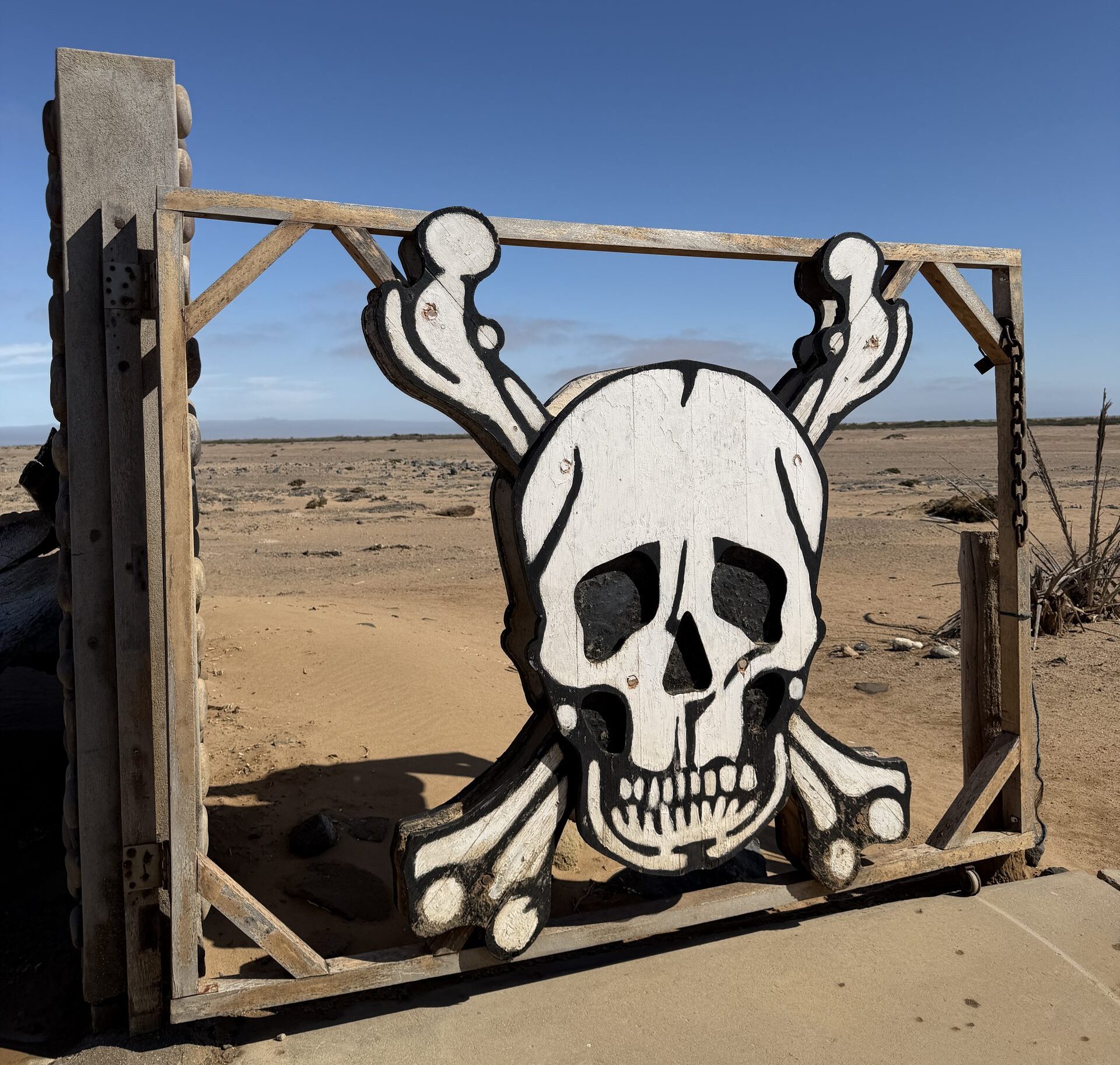
Compared to the red dunes around Sossusvlei or the granite mountains of Spitzkoppe, this part of Namibia feels colder and harsher. The coastline has a certain emptiness to it that immediately explains where the name “Skeleton Coast” comes from. Historically, the area became known for shipwrecks caused by thick coastal fog and dangerous ocean currents. Even now, the atmosphere still feels wild and slightly unforgiving.

Things to Do Along the Skeleton Coast
1. Cape Cross Seal Colony
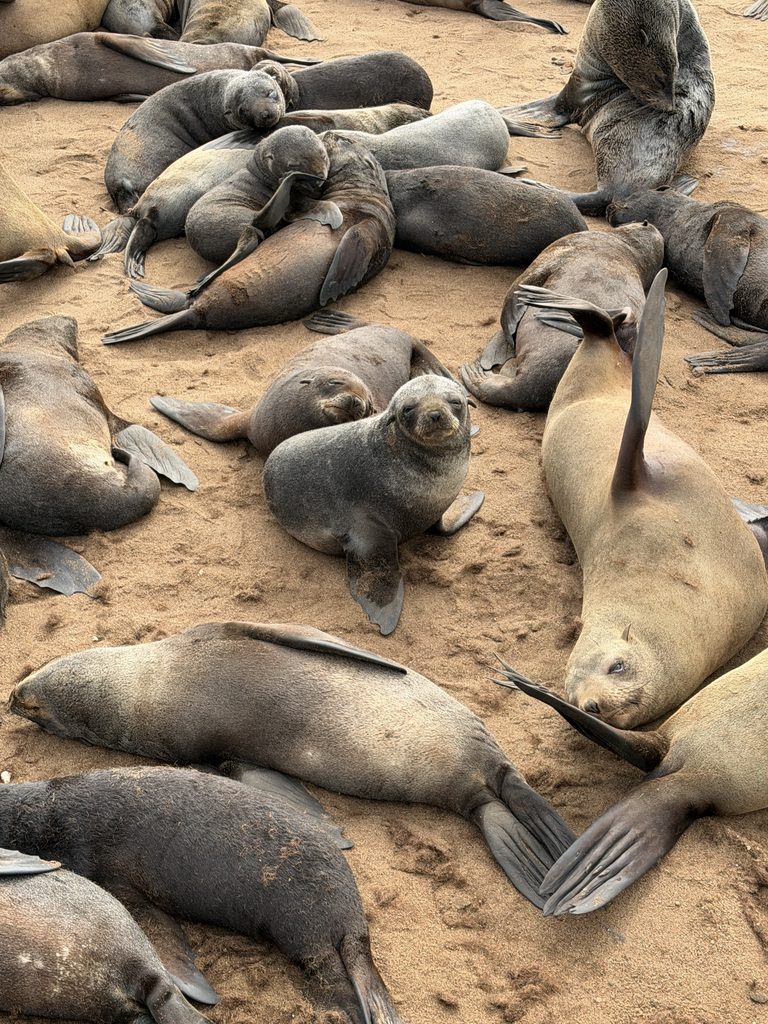
The main stop along this route is Cape Cross, home to one of the largest Cape fur seal colonies in the world. At first, it almost feels unreal. Before you even see the seals, you smell them. Then slowly, the coastline turns black with thousands upon thousands of seals covering the beach. Namibia is home to an enormous seal population, and Cape Cross alone can hold tens of thousands of seals at the same time. The experience is impressive, but also intense. The noise, movement, and smell are overwhelming in a way that photos don’t really prepare you for.
We visited outside the breeding season, which made the experience easier to process. During November and December, many seal pups are born, and unfortunately not all survive because of limited food supply. In those months, you’re much more likely to encounter dead or dying pups, which can make the experience emotionally heavy. Because of that, we personally wouldn’t recommend visiting Cape Cross during peak breeding season unless you feel comfortable with the more difficult side of wildlife and nature.


2. Driving the Skeleton Coast
One of the best parts of this region is honestly the drive itself. The roads feel endless, with the ocean on one side and empty desert on the other. Fog often moves across the coastline unexpectedly, changing visibility and making the landscape feel even more remote.
Compared to the busier parts of Namibia, this stretch of road feels quieter and less developed. There are also occasional viewpoints, shipwreck stops, and abandoned-looking coastal sections along the route that make the drive feel more atmospheric than activity-focused.
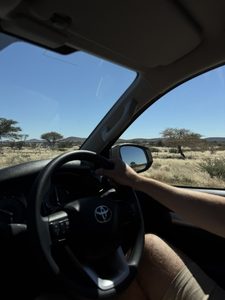
One thing we didn’t fully expect, though, is that the road is entirely tarmac. After spending so much time driving Namibia’s gravel roads, this section suddenly feels smoother and easier—but also slightly more repetitive. Because the scenery changes less dramatically along the coastline, the drive can start feeling a bit monotonous after a while. That said, the atmosphere of the Skeleton Coast still makes it memorable. It’s less about constant highlights and more about the feeling of driving through a cold, empty coastline where the landscape almost disappears into the fog.
3. Welwitschia Drive and Moon Landscape
One of the more underrated excursions near Swakopmund is the Welwitschia Drive, which takes you through the strange-looking Moon Landscape toward the famous Welwitschia plants. The landscape here genuinely looks almost lunar, with dry valleys, pale rock formations, and endless empty terrain stretching in every direction.
Along the route, there are several viewpoints where you can stop before eventually reaching the valley where the Welwitschia plants grow. The plants themselves are surprisingly fascinating once you understand what they are. Welwitschias are among the oldest and rarest plants in the world, capable of surviving in one of the driest environments on earth. Some of the plants here are believed to be thousands of years old. Compared to the dramatic scenery elsewhere in Namibia, this stop feels quieter and more unusual, but that’s exactly what makes it memorable.


Staying at Cape Cross Lodge
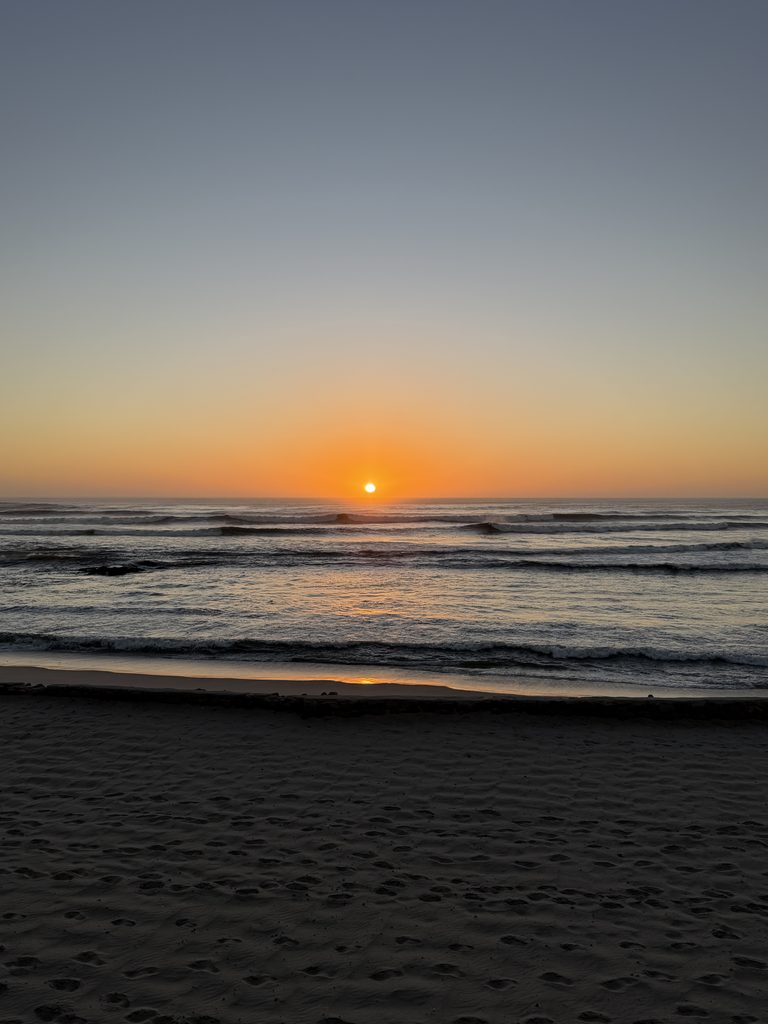
We stayed at Cape Cross Lodge, located directly along the coastline north of Swakopmund. After several nights of camping, arriving somewhere warmer and more comfortable again felt very welcome—especially in the colder coastal climate. The combination of ocean views, fog, and the isolated coastline created a completely different atmosphere from the rest of the trip.
What we liked most was how quiet the area felt. Unlike Swakopmund, which still has cafés, activities, and movement, Cape Cross feels much more remote and stripped back. The weather changes constantly throughout the day, with fog rolling in and out over the ocean, which only adds to the atmosphere.
Originally, we thought one night here would probably be enough, since this part of Namibia is less about activities and more about the coastline itself. In the end, we stayed two nights, and looking back, that slower pace actually worked really well within the itinerary.
Looking back, we were also very happy we booked the lodge instead of camping here. The temperatures along the coast felt significantly colder than the rest of the trip, especially once the fog and wind picked up in the evenings. After several camping stops already, having a warm room overlooking the ocean honestly felt like the right decision at that point in the itinerary.
Practical Tips
The biggest thing to prepare for along the Skeleton Coast is the weather. Even when the rest of Namibia is hot and dry, this area can feel cold, windy, and foggy. Bringing layers is essential, especially in the mornings and evenings. The seal colony itself is also much more intense than many people expect. The smell is strong, the noise is constant, and the sheer number of seals can feel overwhelming at first.
Is Cape Cross Worth Visiting?
Despite that, Cape Cross still felt worth visiting to us not because it was “beautiful” in the traditional sense, but because it felt raw and completely different from every other stop in Namibia. That contrast is exactly what makes this coastline memorable.