
What to Know Before Traveling to Namibia
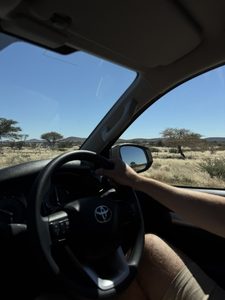
Traveling through Namibia is the kind of trip that quietly engages all your senses. It’s not just the landscapes themselves, but the constant movement between them long drives through empty roads, changing colours, and the feeling of space that’s hard to compare to anywhere else.
A self-drive road trip is one of the best ways to experience the country. With a 4×4, you move through vast, open landscapes where traffic is almost nonexistent, and it’s not unusual to spot wildlife like giraffes, zebras, or ostriches along the way. What surprised us most is how varied everything feels. At first glance, Namibia can seem dry and rugged, dominated by rock and desert. But in reality, every region is completely different, from towering sand dunes in Sossusvlei to coastal fog in Swakopmund and the rocky, remote landscapes of Damaraland.
One thing we hadn’t fully anticipated before the trip was the dust. Driving on gravel roads means a constant layer of fine dust; on the car, your bags, and often yourself. It becomes part of the experience surprisingly quickly, but it’s worth being prepared for, especially when packing and organizing your gear. At the same time, Namibia is not a destination you just “figure out along the way.” A bit of preparation goes a long way. Below are the practical tips and things we wish we had fully understood before starting our trip.


1. Fuel Stops and Planning
Fuel is one of the few things you can’t approach casually in Namibia. Distances between towns are long, and once you leave the main routes, fuel stations become less predictable. Some towns have reliable stops, others feel more like a single point on a map. We quickly settled into a simple routine: whenever fuel was available, we filled up. Even if the tank was still half full. It might feel unnecessary at first, but it removes a surprising amount of stress once you’re driving through more remote areas. Fuel stations themselves often become small stops in the journey places to reset, grab a drink, and briefly reconnect before heading back onto empty roads.
Along the route, most larger towns have fuel stations; places like Windhoek, Solitaire, Swakopmund, Khorixas, and near Etosha. Planning your stops around these locations makes the trip much easier. Another thing worth knowing is that attendants usually fill the car for you. You simply stay in the vehicle while they handle the fuel.


2. Driving in Namibia (Distances and Time)
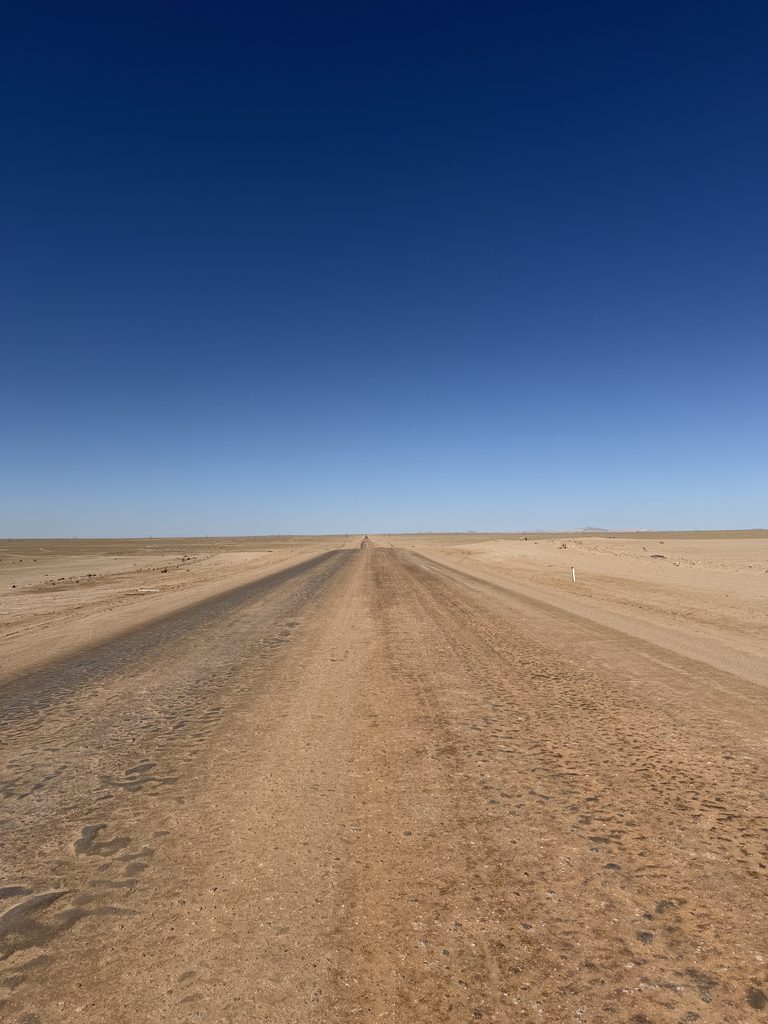
Driving in Namibia is very different from what most people are used to. On paper, distances don’t always look extreme. In reality, gravel roads, long straight stretches, and constant focus make driving more tiring than expected. The road surface changes, dust limits visibility at times, and passing another car often means briefly driving through a cloud of sand.
We found that planning around 3-4 hours of driving per day made a big difference. Longer days are possible, but they start to feel more like endurance than part of the experience. At the same time, the driving itself becomes one of the highlights. The landscapes constantly shift, and the sense of space is something you only really understand once you’re there.

3. What to Pack for the Climate (and the Dust)
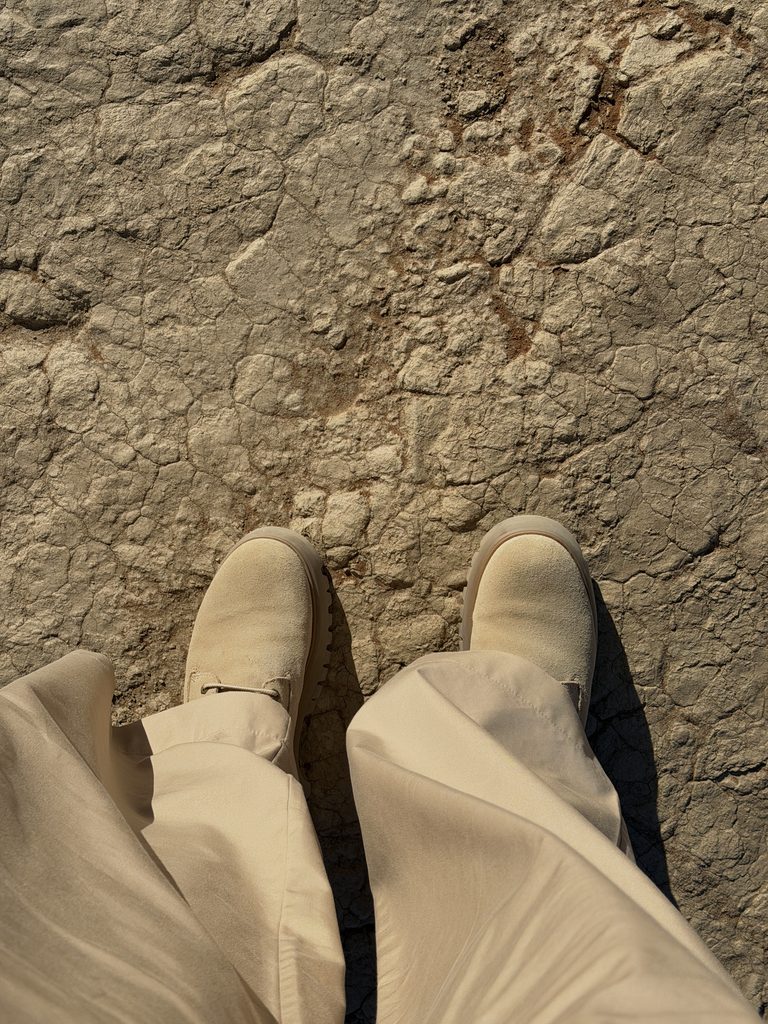
Packing for Namibia is less about specific outfits and more about practicality. One thing we adjusted quickly was natural colours. Neutral tones like beige, green, and earth colours work much better than bright colours. They feel more natural in the environment and are also more practical when it comes to dust.
Because dust is unavoidable. Fine sand gets everywhere; into bags, clothes, and the car. After a few days, you stop noticing it, but it helps to be prepared. Packing cubes or separate bags make it easier to keep things organized. Temperatures also change quickly throughout the day. Mornings can be cold, especially when packing up camp, while afternoons can feel hot.
Layering is essential. Comfortable shoes also make a difference, especially when walking in sand or uneven terrain.
4. Campsites and Facilities
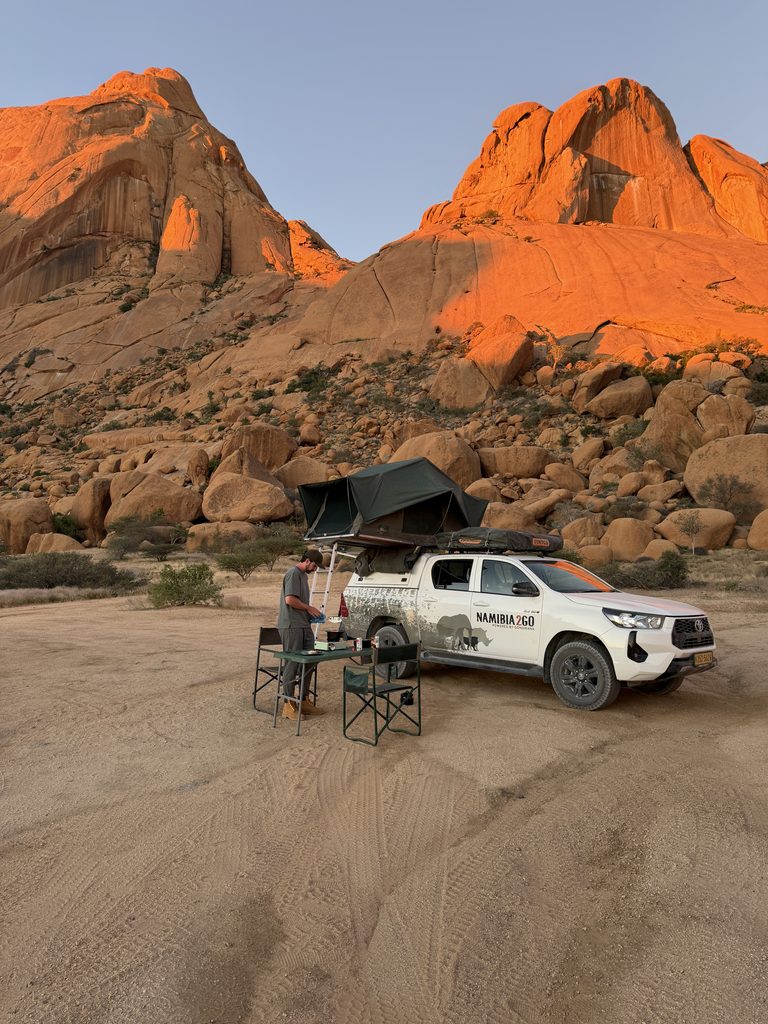
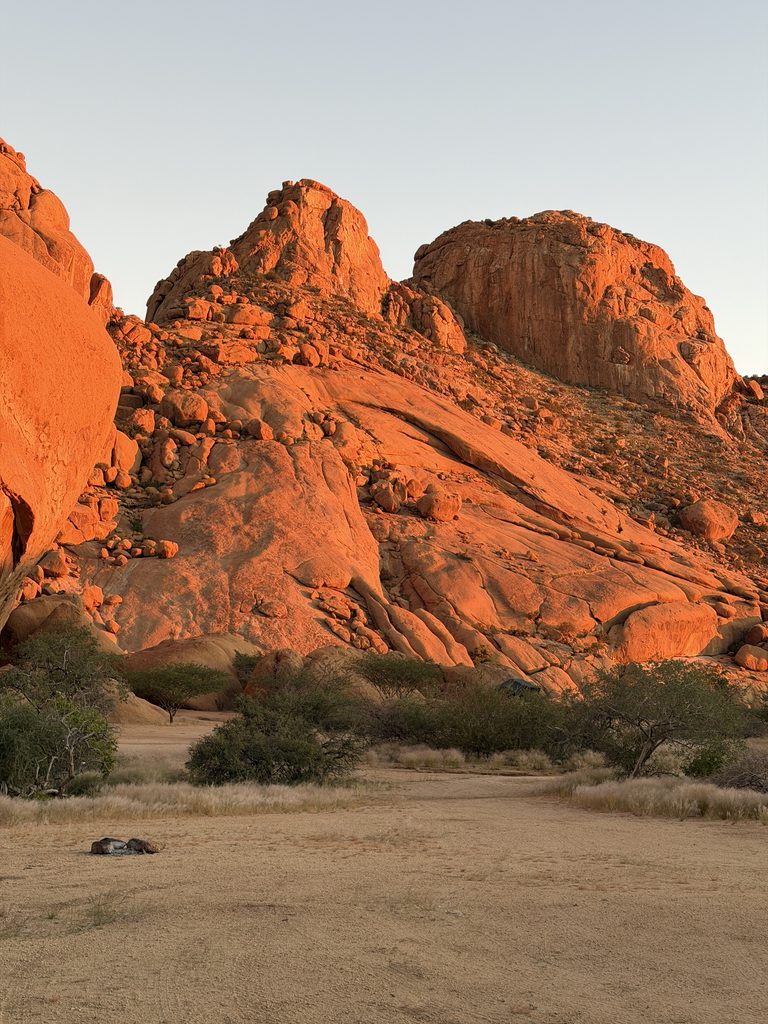
Campsites in Namibia are often more basic than you might expect, especially in more remote areas. Not all campsites have running water or electricity directly at your spot. Facilities are usually shared, and sometimes limited. We found it helpful to bring an extra battery or power bank, especially for charging phones, cameras, or other devices when staying multiple nights at campsites. At the same time, these simpler setups are part of the experience. They place you much closer to the landscape, which is exactly what makes camping in Namibia so special.
5. Plugs and Electricity
Namibia uses Type D and Type M plugs, which are different from standard European sockets. A travel adapter is essential. Lodges usually have reliable electricity, while campsites can be more limited depending on where you stay. Charging devices whenever you have the chance quickly becomes part of the routine.
6. Local Culture and Interactions
One of the things that stood out throughout the trip was how friendly and relaxed interactions felt. Simple moments—stopping for fuel, arriving at a lodge, or asking for directions often started with a genuine “how are you?” and didn’t feel rushed.
In some places, especially near smaller towns or roadside stops, people may ask for food or money. This can feel unexpected at first, but it’s not uncommon. The best approach is simply to stay calm and respond in a way that feels right to you. A polite “no” is completely fine, or you can choose to give something if you want. During our trip, it never felt aggressive, but it’s something worth being aware of beforehand.
7. Phone Reception and Connectivity
Phone reception in Namibia is unreliable, especially once you leave towns and cities. Large parts of the country have no signal at all. At first, that feels inconvenient, but it quickly becomes part of the experience. We relied heavily on offline maps from Google, and Tracks4Africa, which made navigation much easier. Lodges often have Wi-Fi, but it can be slow or limited.
It’s also worth getting an eSIM or local SIM card at the airport when you arrive. Coverage is still limited in remote areas, but it works well in towns and helps with basic connectivity at the start and end of driving days. In the end, being offline became less of a drawback and more of a shift in how the trip felt more focused, quieter, and less distracted.
8. National Park Gates and Fees
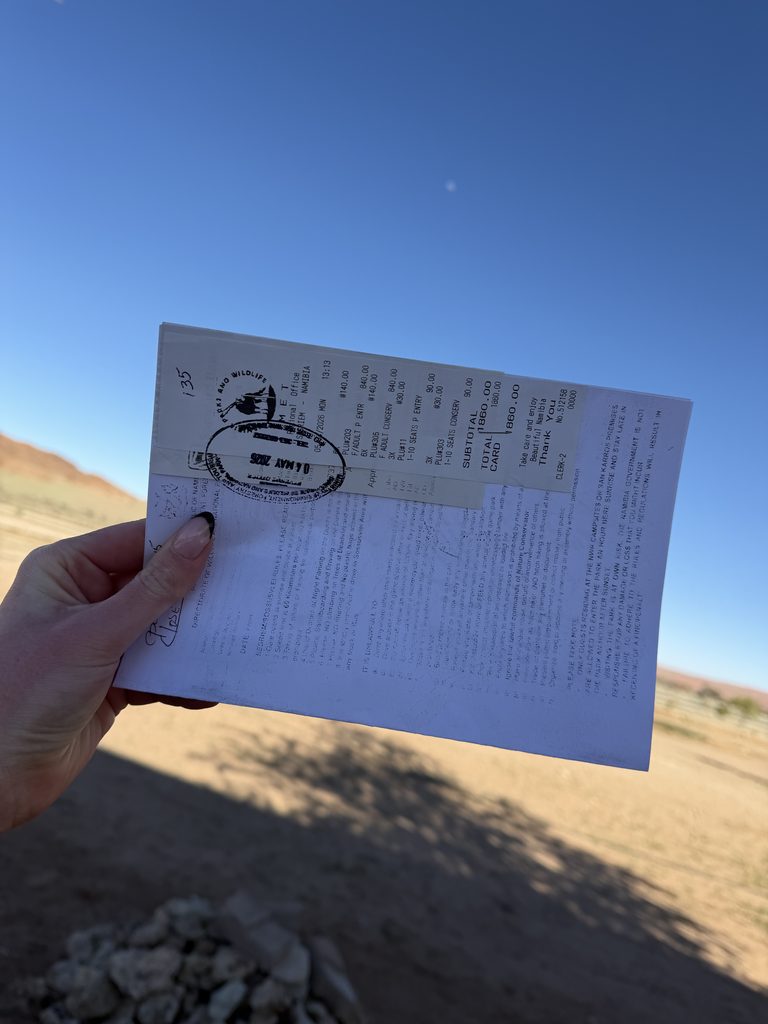
National parks in Namibia operate on strict opening and closing times, usually around sunrise and sunset. In places like Etosha and Sossusvlei, this matters more than you might expect, especially on longer driving days. One thing worth considering when planning your route is whether to stay inside or outside the park gates. Accommodation inside the gates often allows earlier access and removes the stress of needing to arrive before closing time. This can make a big difference for sunrise drives, wildlife viewing, or visiting places like Deadvlei before the heat and crowds arrive.
Most parks also require a daily conservation permit / entrance fee, which is usually paid at the gate. Updated fees and gate times can be found directly through NWR (Namibia Wildlife Resorts) and park authorities.

8. Vetinary Fence in Damaraland
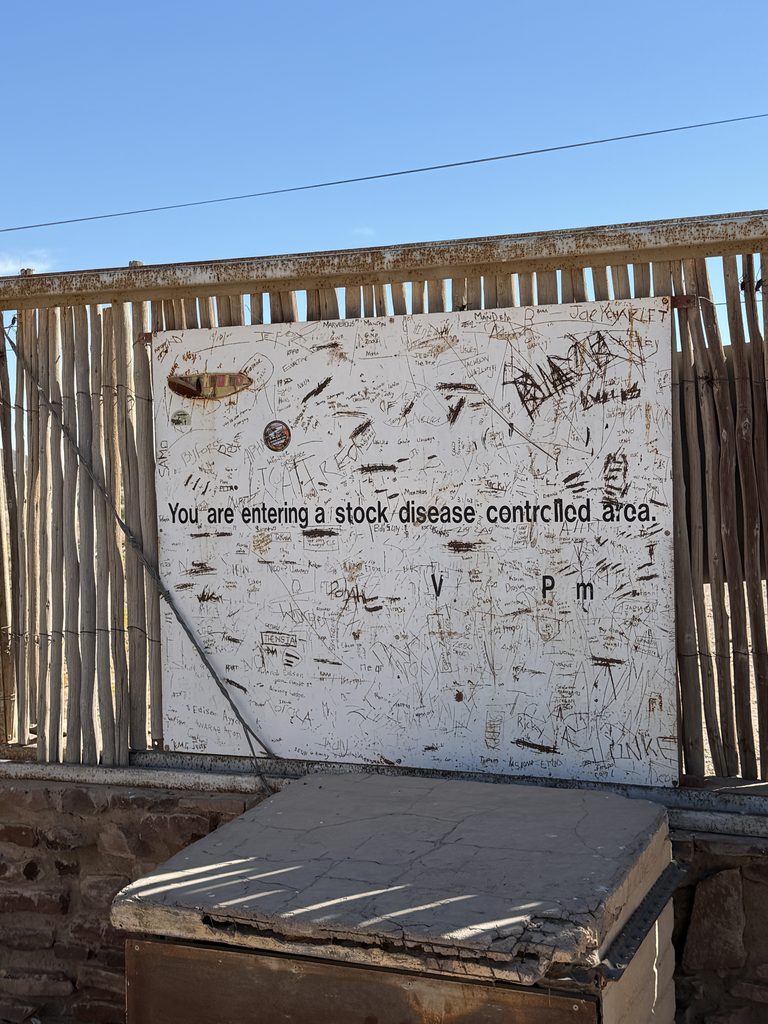
Another thing worth being aware of is that the region of Damaralnd has a veterinary border fences, also known as the “vet fences.” These fences separate different animal disease control zones in Namibia, particularly between wildlife and farming areas. You’ll probably start noticing these enormous fences quite early while driving through this region. For us, they first really stood out near one of the park entrances, where the long fences suddenly cut through the landscape for kilometres.
The veterinary fences were originally introduced to control the spread of livestock diseases, especially foot-and-mouth disease, between wildlife areas and commercial farming regions. Even today, they still play a major role in how food and livestock are transported across Namibia.
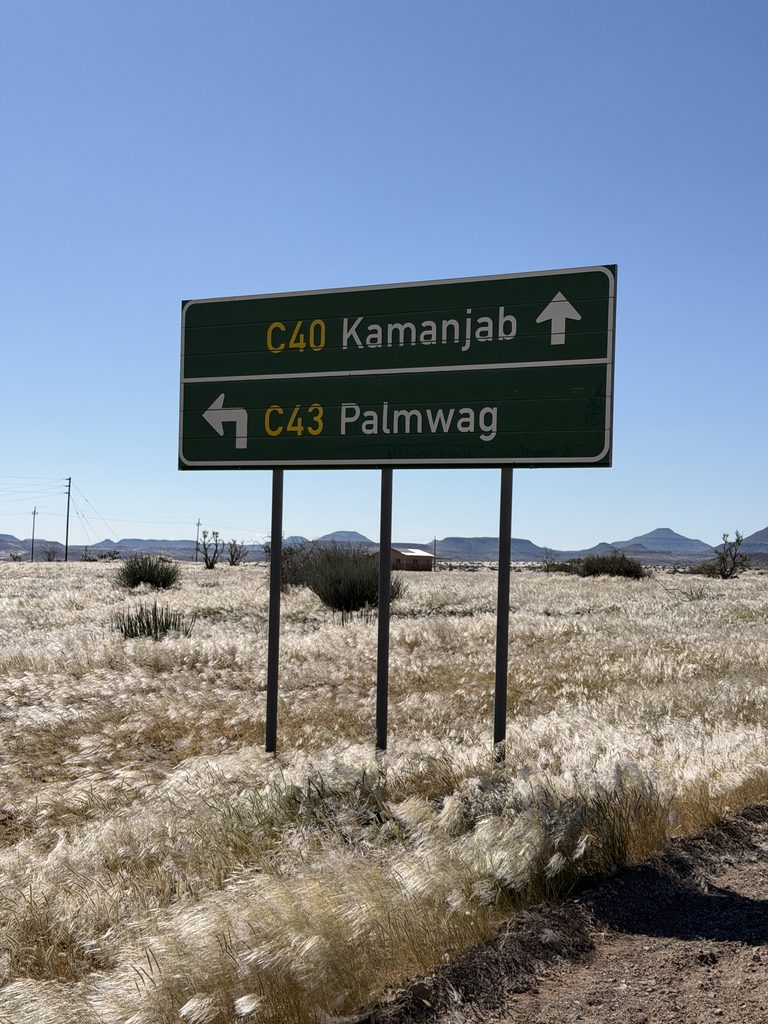
When crossing these checkpoints, vehicles may be inspected, particularly for meat and fresh animal products. One thing we learned ourselves is that you’re not allowed to bring certain meat products across some of these borders. At one point, we originally planned to stop for fuel in Palmwag, but realized we couldn’t take our meat supplies across the checkpoint. In the end, we left the meat at the border post, drove through to refuel, and picked everything up again afterward before continuing our route. It’s a small detail, but definitely something worth keeping in mind when planning groceries, braais, and fuel stops during a self-drive trip through this region.
Conclusion
Traveling through Namibia is less complicated than it might seem at first, but it rewards preparation. Understanding fuel stops, realistic driving times, and the climate makes a noticeable difference once you’re there. At the same time, many of the things that feel uncertain beforehand—long drives, remote areas, dust, and limited reception; often become part of what makes the trip so memorable.
Namibia is the kind of place that slowly gets under your skin. Not because everything is easy, but because the landscapes, silence, and sense of freedom feel completely different from everyday life.