Damaraland & Grootberg Guide (Namibia’s Most Remote Landscapes)
Damaraland: What This Area Is Like
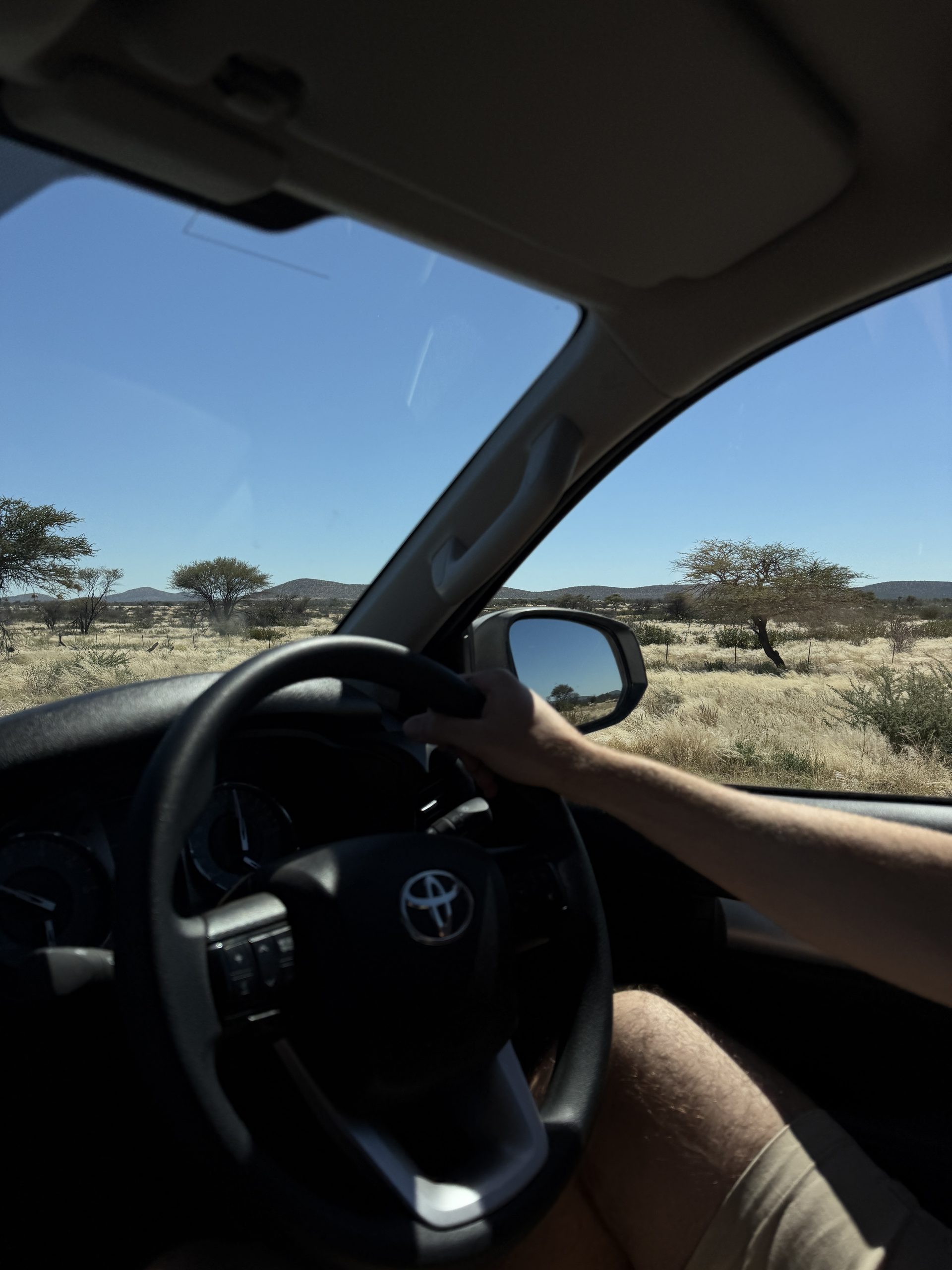
Driving into Damaraland feels like entering one of the most remote and untouched regions of Namibia. The landscape is made up of rugged mountains, dry riverbeds, open valleys, and endless gravel roads stretching through enormous empty spaces. Depending on the light and the season, the colours constantly shift between red, orange, brown, and grey. What makes the region especially interesting is that it’s not just about landscapes.
Damaraland also has a strong cultural and historical side, with ancient San rock paintings, Himba communities, and a history closely connected to survival in one of the harshest environments in Namibia. The area is known for dramatic drives like Grootberg Pass, desert-adapted wildlife, remote campsites, and huge open spaces where you can drive for long periods without seeing much development at all.

Things to Do in Damaraland
1. Driving Grootberg Pass
One of the most memorable drives in the region is the road through Grootberg Pass. The road winds through rugged mountains and dramatic cliffs, with wide viewpoints appearing almost around every corner. Compared to the flatter desert landscapes earlier in the trip, this region suddenly feels much more mountainous and dramatic. Driving here requires more focus. Some roads are steep, narrow, and rougher than elsewhere in Namibia, especially around the plateau areas.
For us, this became one of the most visually impressive drives of the trip. The landscapes constantly changed, and every stop somehow felt even more remote than the previous one.
Along the roads, we also occasionally encountered members of the Himba community, one of Namibia’s most well-known semi-nomadic groups. Some sell handmade jewellery or stones along the roadside. The Himba people are known for their traditional way of life and distinctive appearance, particularly the mixture of red earth and butterfat used on their skin and hair. Compared to the more tourism-focused regions of Namibia, this part of the country still feels much more connected to local communities and traditional lifestyles.

2. Wildlife in Damaraland
One of the most interesting things about Damaraland is that wildlife survives in landscapes where it almost seems impossible. The region is known for desert-adapted elephants, black rhinos, giraffes, zebras, oryx, and smaller mountain animals like klipspringers. At the same time, wildlife spotting here feels completely different from Etosha. Animals move through enormous open areas rather than gathering around predictable waterholes, which makes sightings feel much more random and unexpected.
For us, that unpredictability actually made the experience more interesting. Instead of constantly searching for animals, it became more about staying aware while driving through the landscape itself. The desert elephants are especially fascinating because they’ve adapted over generations to survive in these dry conditions. Unfortunately, sightings are never guaranteed, and that’s important to understand before visiting.
3. Grootberg Plateau and Grootberg Lodge
One of the best-known places in the region is Grootberg Lodge, located on top of the Grootberg Plateau. Getting there already feels like part of the experience. The road up is extremely steep and can only be driven with a 4×4. At certain points, the road becomes narrow with steep drops beside it, which definitely requires some confidence while driving.
Once you reach the top, the landscape suddenly changes again. The plateau itself is surprisingly flat compared to the cliffs surrounding it, and the views stretch endlessly across the valleys below.
What makes Grootberg Lodge particularly interesting is that it’s community-owned. Revenue from the lodge supports conservation projects, education, and local community development in the region. Compared to some of the more commercial luxury lodges elsewhere, this gave the area a slightly different feeling.
4. Game Drives Around Grootberg
One of the main activities around Grootberg is joining organized drives through the lodge. We personally didn’t do any dedicated wildlife drives, but the lodge offers excursions focused on tracking desert elephants and black rhinos, which are some of the main reasons many travellers visit this region.
Because wildlife in Damaraland moves through enormous open landscapes rather than gathering around waterholes, these drives feel very different from a traditional safari experience. Sightings are never guaranteed, but that unpredictability is also part of what makes the region feel so wild and remote.
Where To Stay: Camping at Hoada Campsite
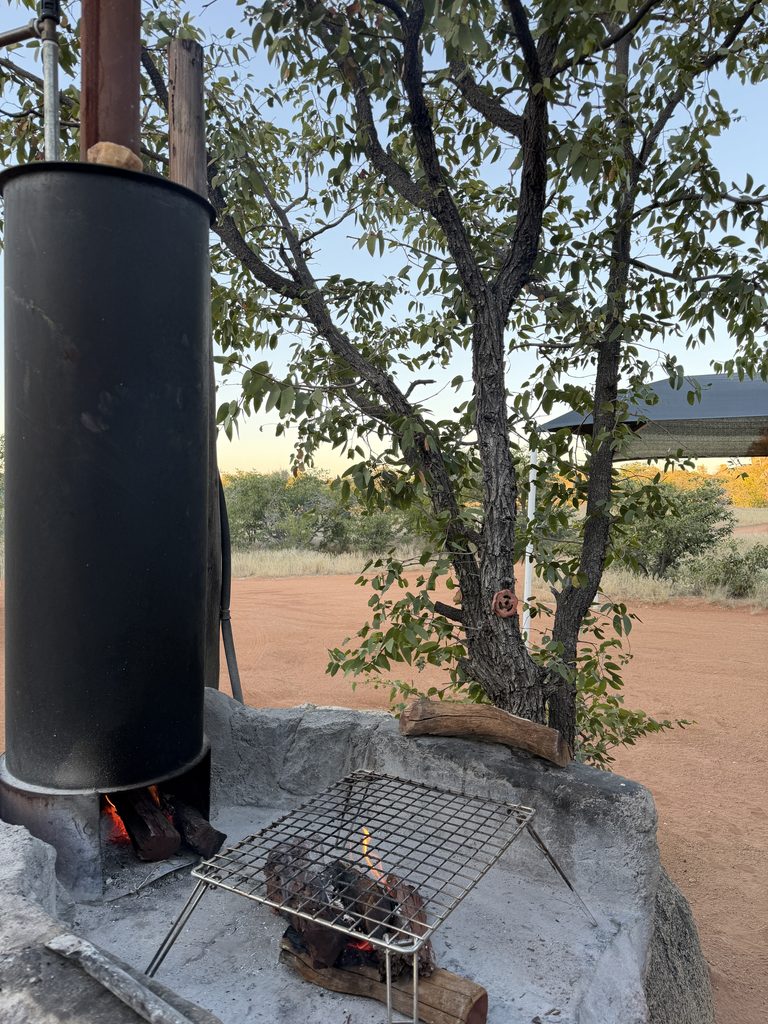
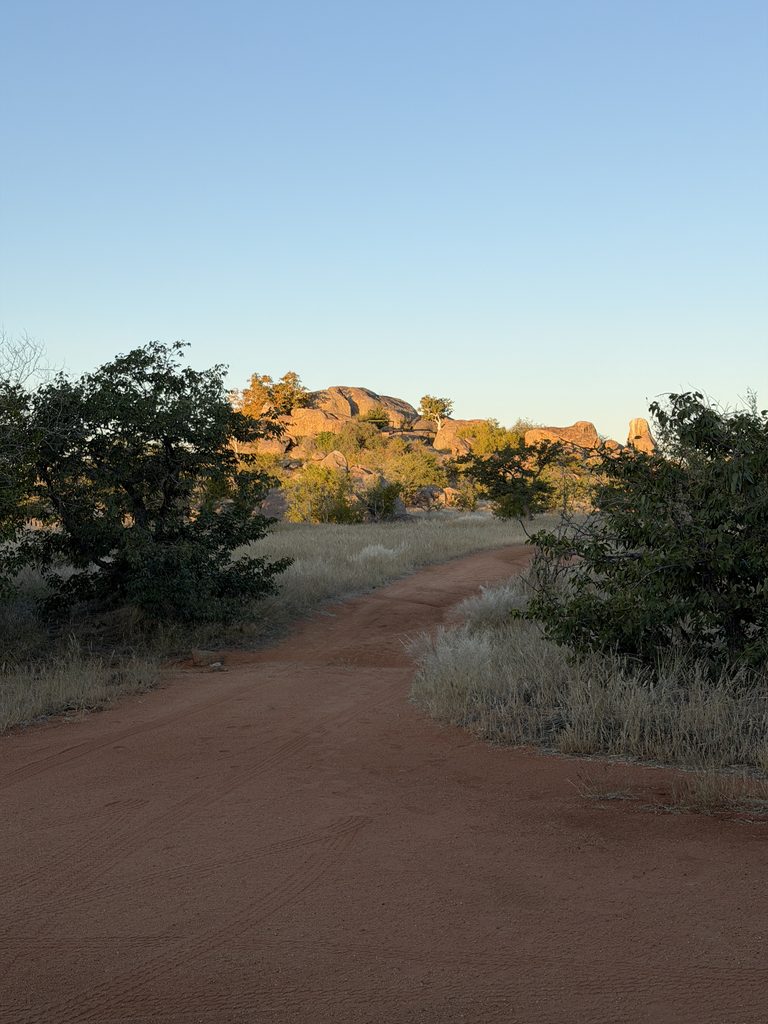
We stayed at Hoada Campsite, which ended up being one of the nicest campsites of the trip. The campsites are spread out between the rocks and feel very integrated into the surrounding landscape. What stood out most to us was the atmosphere. Compared to some of the busier campsites earlier in the itinerary, this area felt incredibly relaxed.
One of the most memorable parts was the open-air shower under the stars. After dusty road trip days and long drives, showering outside while looking up at the night sky somehow became one of those simple moments we still talk about afterward. The campsite also has a beautiful pool built naturally between the rocks, which became the perfect place to cool down during the warmer afternoons.
At the same time, this is not a destination packed with activities. Most organized excursions, including game drives, are connected to Grootberg Lodge. For us, though, that slower pace actually worked really well here. After several intense travel days, Damaraland became one of the few places where we genuinely slowed down and relaxed for a moment.
The Alternative to Camping
If you prefer more comfort, staying at Grootberg Lodge is one of the most unique accommodation options in the region. The lodge sits directly on the edge of the plateau with panoramic views over the valleys below. It’s significantly more luxurious than camping and especially known for its infinity pool and sunset views. Compared to Hoada Campsite, staying here feels much more focused on comfort and organized activities.

How Long to Stay in Damaraland
Damaraland is one of those regions where travel itself takes time, so rushing through it usually doesn’t work very well. For most itineraries, one to three nights works best depending on how many stops or activities you want to include. For us, this part of the trip felt more like a transition between the coast and Etosha, but it still became one of the most visually memorable regions of the journey.
Is Damaraland Worth Visiting?
For us, Damaraland felt like a really nice stop within the itinerary, mainly because of the landscapes and the slower pace. At the same time, if you’re shorter on time, this is probably one of the regions you could skip more easily compared to places like Sossusvlei or Etosha.