Etosha National Park Guide (Namibia’s Best Self-Drive Safari)
Etosha National Park: What This Area Is Like
Etosha National Park is one of the main highlights of travelling through Namibia and one of the best places in Africa for a self-drive safari. The park is enormous, covering huge open landscapes centered around the famous Etosha Pan, a massive white salt pan so large it can almost look like snow or water in the distance depending on the light.
What makes Etosha especially interesting is how accessible wildlife viewing feels. Unlike denser safari parks where animals can remain hidden for hours, Etosha’s dry and open landscape makes spotting wildlife much easier, particularly around the waterholes. At the same time, every drive still feels unpredictable. One moment you can drive for an hour without seeing much, and suddenly you find elephants, giraffes, zebras, and antelope all gathered together near a waterhole. For us, Etosha became one of the most exciting parts of the itinerary simply because every day felt different.

Things to Do in Etosha National Park
Self-Drive Safari in Etosha
The biggest reason most people visit Etosha is the self-drive safari experience. Unlike many safari destinations where you mainly rely on guided drives, Etosha is incredibly well suited for exploring independently with your own car. The roads are relatively easy to navigate, and much of the experience revolves around slowly driving between waterholes while keeping an eye out for movement. What we liked most was the freedom. Some mornings started quietly, while other drives suddenly turned into multiple sightings within a short time.
Because the park is so large, the atmosphere also changes depending on where you are. Some waterholes are busy with cars and animals, while others feel completely empty and silent. One thing we quickly learned is that patience matters more than constantly driving. Some of the best sightings happened simply by waiting at a waterhole for a while instead of rushing through the park.


Wildlife in Etosha
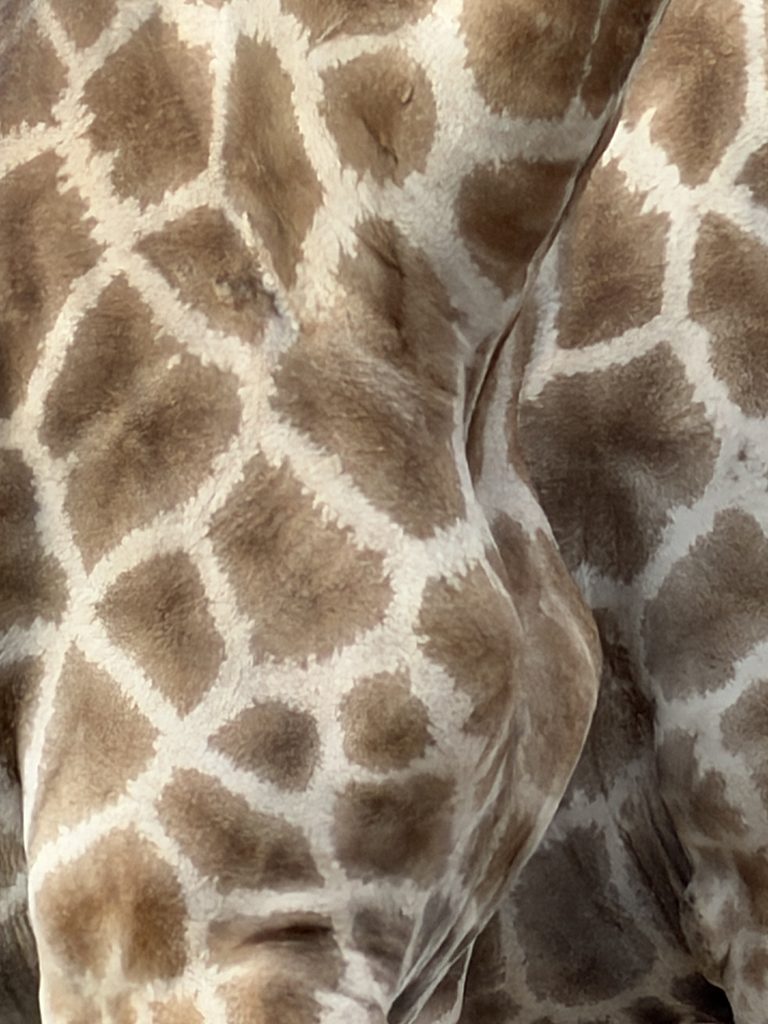
Etosha is known for its huge variety of wildlife. During a typical drive, it’s common to see:
- elephants
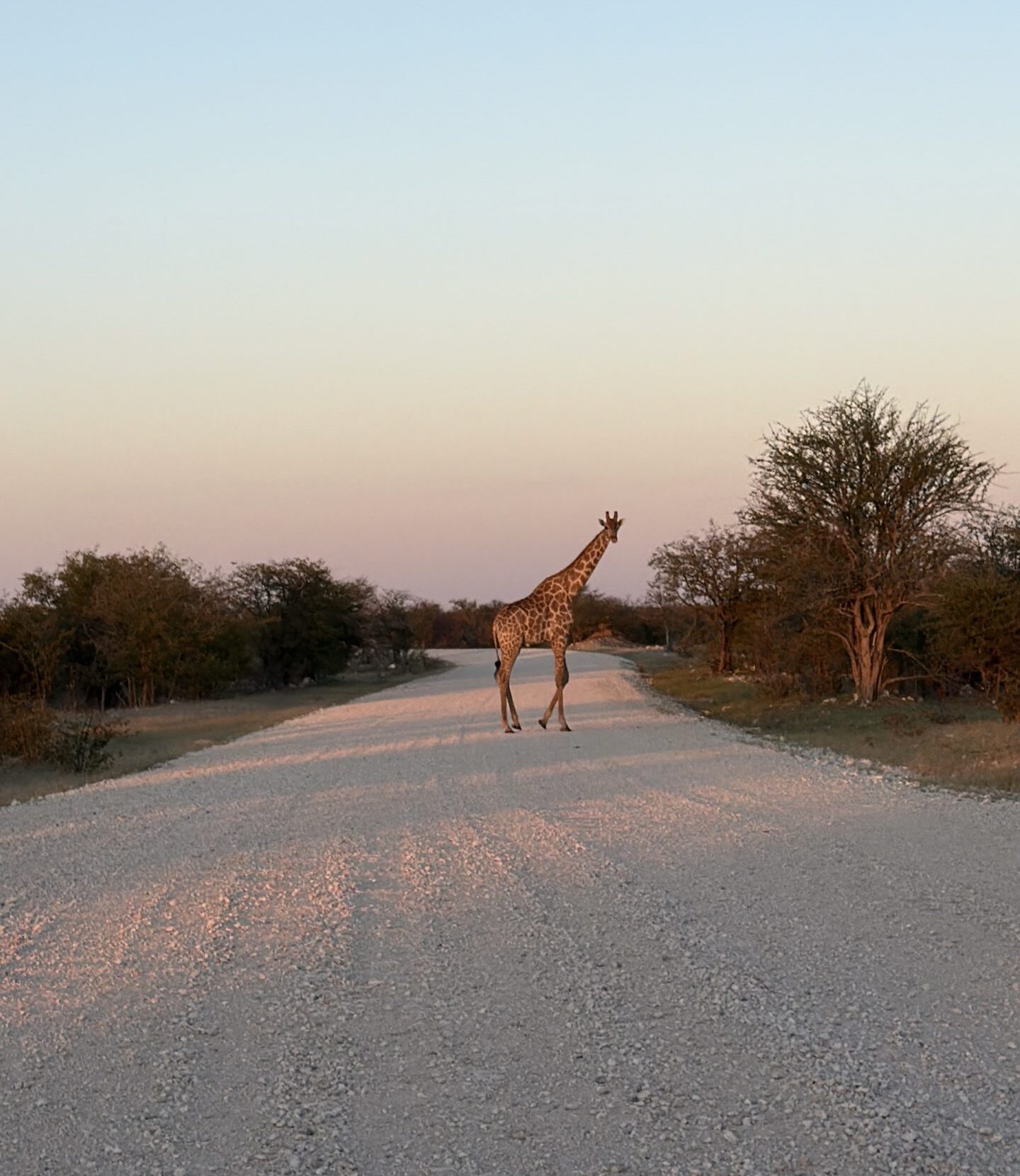
- giraffes
- zebras
- springbok
- wildebeest
- oryx
- jackals
- hyenas
And if you’re lucky:
- lions
- leopards
- rhinos
- cheetahs
What makes Etosha different from many safari parks is how much revolves around the waterholes, especially during the dry season. Animals naturally gather there throughout the day, which creates surprisingly good viewing opportunities even during self-drive routes.

Waterholes at Night
One of the most underrated parts of Etosha is staying inside the park and visiting the floodlit waterholes at night. After sunset, the atmosphere changes completely. The parks become quieter, temperatures drop, and you suddenly start hearing animals instead of only seeing them. Depending on the camp, you can sometimes spot elephants, rhinos, or hyenas visiting the waterholes in complete silence.
Guided Game Drives
Although Etosha works extremely well as a self-drive destination, most camps also offer organized game drives. We personally mainly explored the park ourselves, which already felt like the ideal experience for Etosha. But if you’re interested in spotting predators or learning more about the wildlife, joining one guided drive can still be worth considering. Especially early morning or evening drives often give access to areas and timings you can’t always experience independently.


Where To Stay: Olifantsrus Camp and Namutoni Camp
Staying at Olifantrus Camp
We stayed one night at Olifantsrus, located in the quieter western part of Etosha. The area itself felt much more remote and less crowded, which we really liked. One of the highlights is the elevated waterhole viewpoint, where you can quietly watch animals approach throughout the day without needing to leave the camp. At night, the atmosphere becomes incredibly dark and silent once the cars disappear from the roads.
That said, Olifantsrus was probably one of the few accommodations during the trip that we wouldn’t necessarily recommend. The shared facilities felt quite dirty during our stay, and we often didn’t have hot water. Another thing we really underestimated were the enormous amounts of tiny flies and insects after sundown. Once it gets dark, they completely surround the lights and quickly become difficult to avoid. Because of that, evenings here felt less relaxing than we expected. If you want to stay inside Etosha itself, we would probably suggest looking at some of the other camps first unless the quieter western location is specifically important for your route.

Staying at Namutoni Camp
We also stayed two nights at Namutoni, located in the eastern section of Etosha. Compared to Olifantsrus, this area feels more accessible and active, with easier roads and more visitors moving between waterholes.
Namutoni itself is larger and built around an old German fort, which gives the camp a slightly different atmosphere compared to the more nature-focused western camps. For us, staying longer here worked much better. The camp felt more comfortable overall, and having two nights allowed us to explore the eastern side of the park at a slower pace without needing to constantly pack and drive long distances every day. Combining both camps still worked well because it allowed us to experience different parts of Etosha within the same trip.


How Long to Stay in Etosha
Etosha is one of the few places in Namibia where spending multiple nights really makes a difference. Because wildlife sightings constantly change, every drive feels different, even when covering similar routes. For most itineraries, at least two to four nights works best, especially if you want enough time to explore different sections of the park without rushing.
Practical Tips for Visiting Etosha
Preparation matters in Etosha, especially because distances inside the park are much larger than they initially seem. Drives between camps or waterholes can easily take several hours once wildlife sightings, lower speed limits, and road conditions are involved.
When we visited in May 2026, large parts of Etosha were under construction and several roads were being converted into tarmac roads. This also meant occasional detours and route changes, which added even more driving time than expected. It’s definitely something worth accounting for when planning your safari days.
Another important thing to know: fuel stations are not available inside the park. Some camps have shops and restaurants, but distances between facilities are still significant, so keeping enough water, snacks, and fuel in the car is essential during long drives.
Evenings inside Etosha also surprised us more than expected. Once the sun disappears, temperatures drop quickly and camps become extremely dark. Bringing a small flashlight or headlamp makes a huge difference, especially combined with the enormous amount of insects and tiny flying bugs attracted to lights after sunset.

Drone Rules in Etosha
One thing worth knowing before entering Etosha: drones are not allowed inside the park. And honestly, don’t make the same mistake we did. We assumed, and read online that we would be allowed to bring the drone into the park as long as it stayed sealed away in the car. That’s not how it works. The drone has to be officially checked in and left at the gate itself for the duration of your stay inside Etosha. Because we only discovered this at the entrance, we suddenly had to completely reorganize our route at the last minute.
Originally, we planned to drive through Etosha from west to east, with all our accommodation already booked that way. Instead, we ended up creating a completely different route just to avoid losing access to the drone for multiple days.


We first checked the drone in at Galton Gate, near Olifantsrus, explored the western side of the park for half a day, and stayed overnight there. The next morning, as soon as the camp gates opened, we drove all the way back to Galton Gate to collect the drone again.
After that, we drove around the park to Andersson Gate, checked the drone in there instead, and then crossed the park toward Namutoni. After staying two nights at Namutoni, we had to drive all the way back again to Andersson Gate to collect it. Looking back, it was manageable, but definitely not ideal. If you’re travelling with a drone, it’s worth planning your Etosha route around the gate where you’ll need to leave it.
Is Etosha Worth Visiting?
For us, Etosha absolutely felt worth visiting. Beyond the wildlife itself, it was mainly the unpredictability of every drive that made the experience memorable. No two safari days ever felt the same. Some drives were quiet for hours, while others suddenly turned into multiple sightings within minutes. That constant feeling of not knowing what might appear around the next corner is what made Etosha one of the highlights of the trip for us.