
Okonjima & AfriCat Experience
Okonjima: What This Area Is Like
Okonjima Nature Reserve is one of the final major stops for many Namibia itineraries before returning to Windhoek. The reserve is best known for the AfriCat Foundation, which focuses on conservation and research of Namibia’s large carnivores, particularly leopards and cheetahs.
Compared to Etosha, Okonjima feels much more curated and focused. The landscape is still beautiful and wild, but the experience here revolves less around independent safari driving and more around guided wildlife tracking and conservation. For us, this stop felt very different from the rest of the trip. After weeks of self-driving, camping, and exploring independently, Okonjima suddenly introduced a more organized and educational side of wildlife tourism. At the same time, it worked really well as one of the final stops in the itinerary.
Things to Do at Okonjima
1. Leopard Tracking Experience
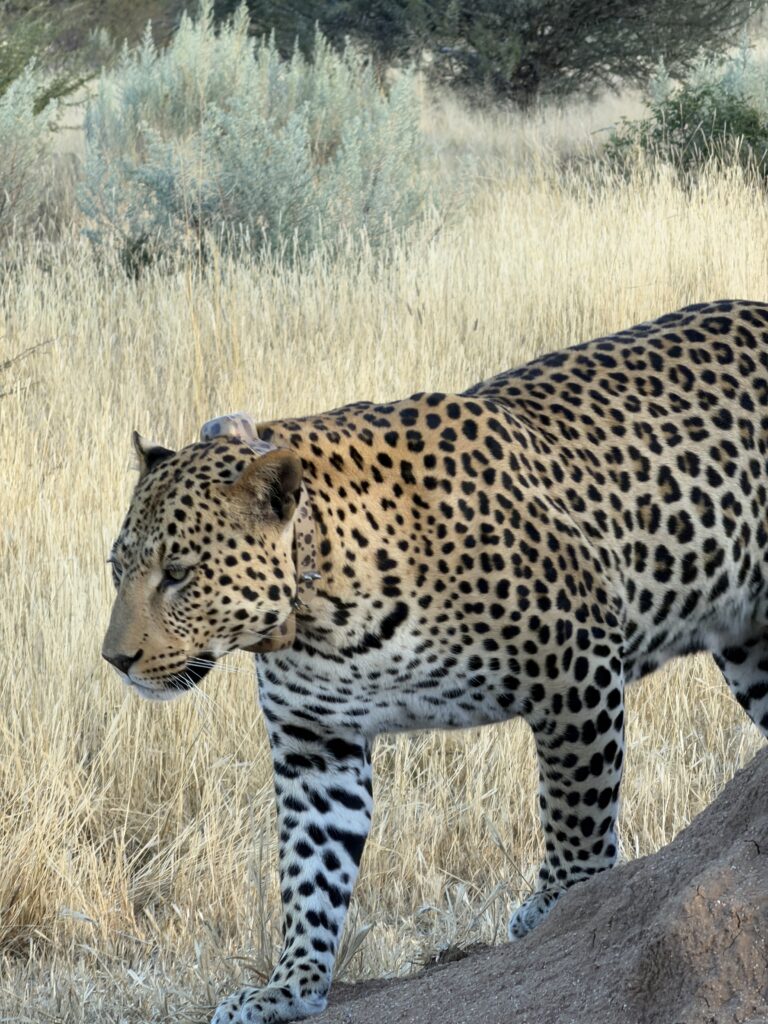
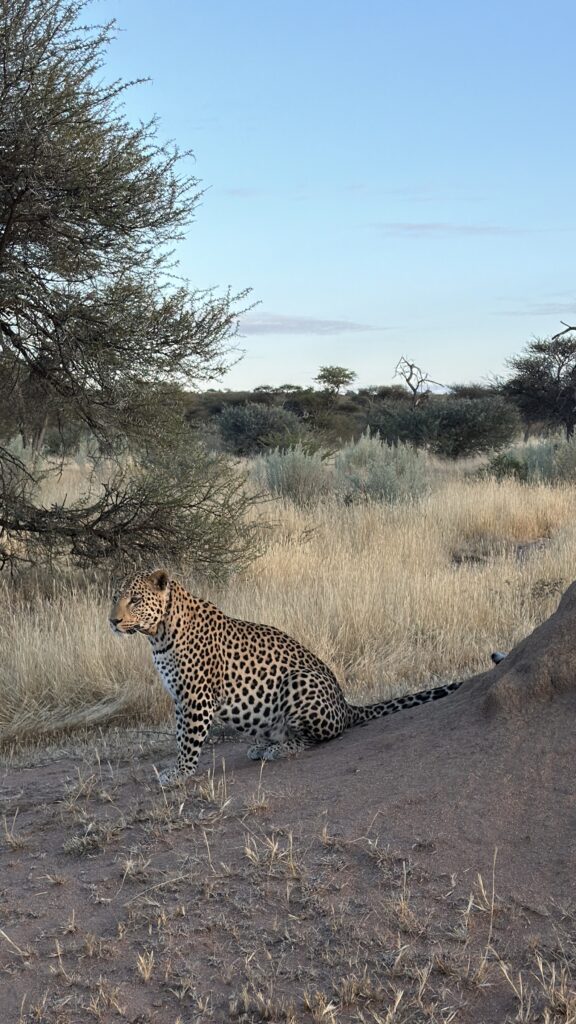
The main reason most travellers visit Okonjima is the chance to track leopards with experienced guides. Unlike a traditional safari where you mainly search for wildlife yourself, the tracking experience here feels much more focused and research-driven. Guides use telemetry equipment connected to collared leopards to help locate animals across the reserve.
At first, we weren’t entirely sure what to expect because it sounded much more structured than Etosha. In reality, it ended up becoming one of the most memorable wildlife experiences of the trip. Seeing a leopard this close in such a large open landscape still felt surprisingly natural and wild. What made the experience even more interesting was learning about the conservation work behind it. The guides explain not only the animals themselves, but also the challenges around predator conservation and human-wildlife conflict in Namibia.
2. Pangolin Tracking
One of the more unique experiences offered at Okonjima is pangolin tracking. Pangolins are incredibly rare and nocturnal animals, making them one of the hardest animals to spot in the wild. Today, only a very small number remain in the world, spread across different species in both Africa and Asia.
Because of this, tracking a pangolin feels completely different from a normal safari experience. It’s much slower, quieter, and heavily focused on conservation rather than simply spotting wildlife. We actually did this tour ourselves and honestly ended up being far more impressed by it than we expected beforehand.
Part of what makes the experience so impactful is learning how threatened these animals really are. Pangolins are among the most trafficked mammals in the world because of the illegal trade in their scales, which unfortunately makes them extremely vulnerable to poaching. Because of that threat, Okonjima also has strict rules around sharing locations and certain photos of the animals. During the experience, there’s a strong emphasis on protecting the pangolins rather than turning the sighting into a typical tourist moment. For us, that conservation-first approach actually made the experience feel even more special and meaningful.
3. Game Drives and Night Drives
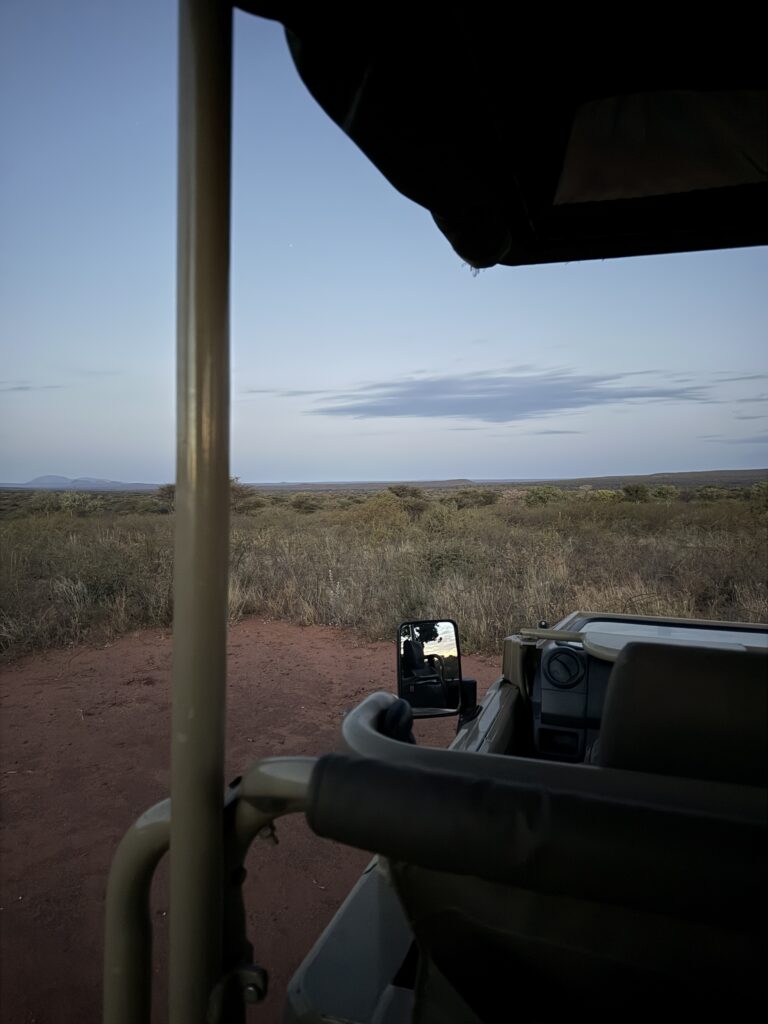
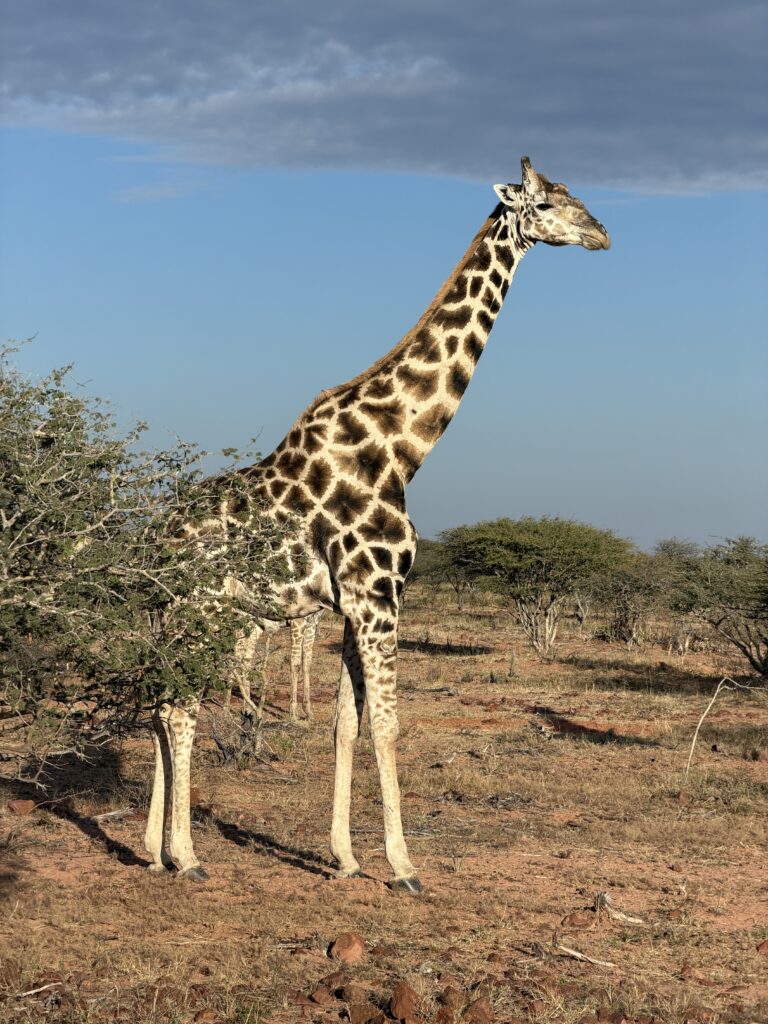
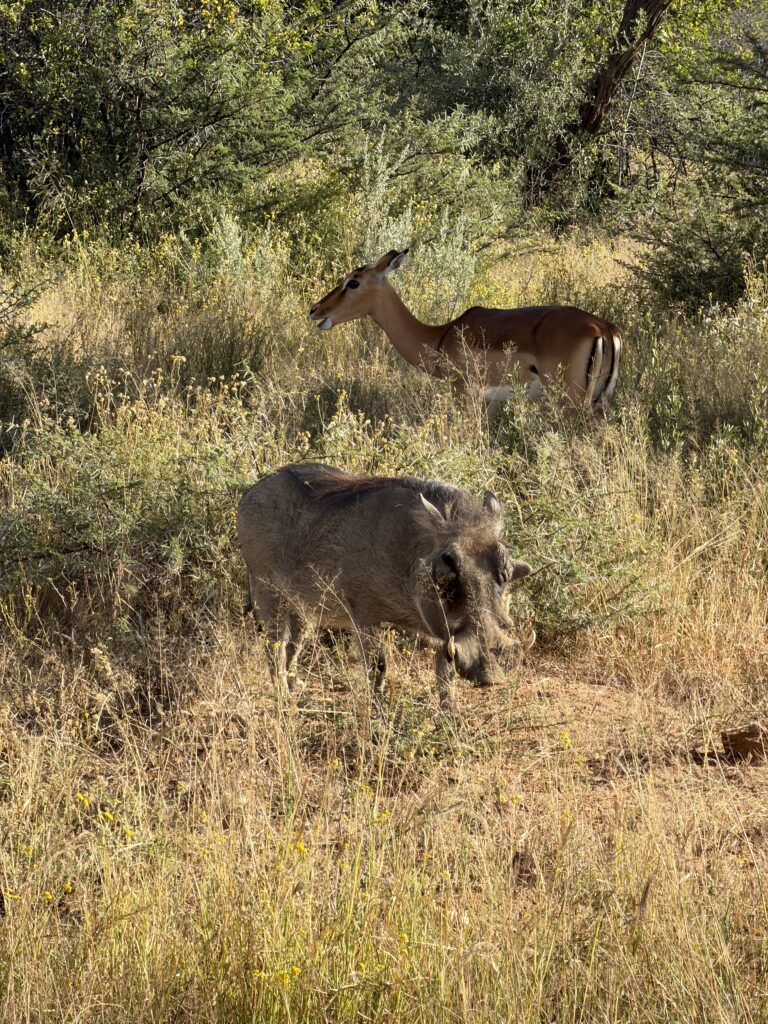
Okonjima also offers more traditional game drives across the reserve.Compared to Etosha, these drives feel quieter and more guided, with a stronger focus on understanding the ecosystem and the animals rather than simply searching for sightings.
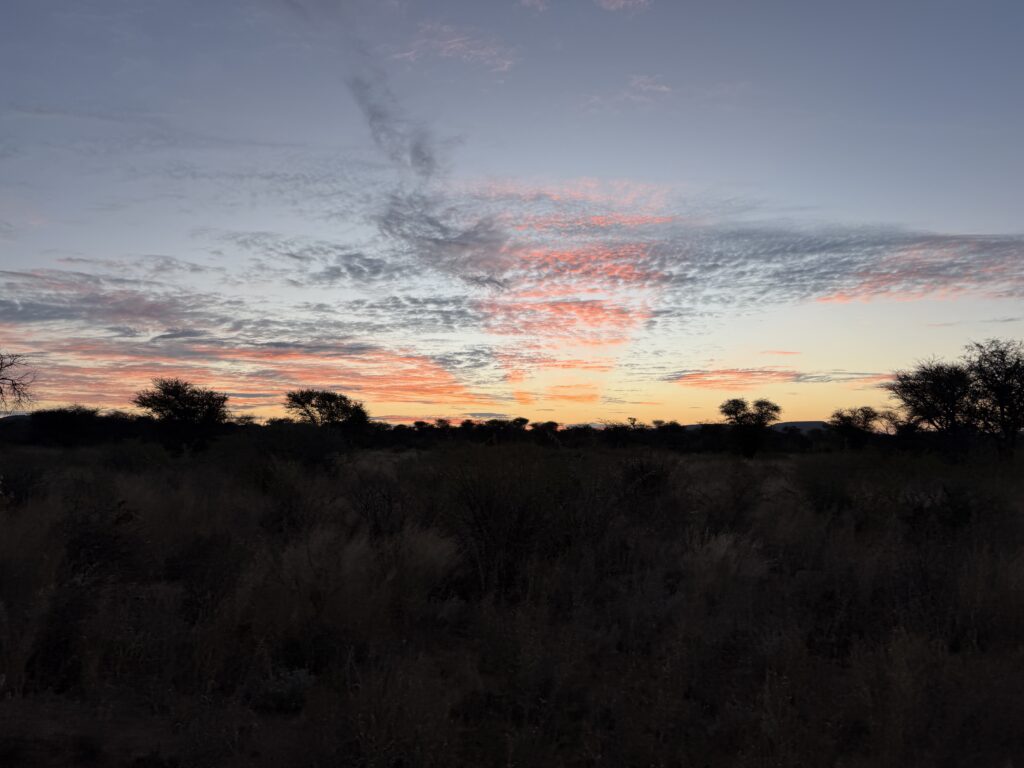
Night drives are especially interesting because they introduce a completely different atmosphere to the reserve. Once the sun disappears, the landscape changes quickly, and you suddenly start noticing nocturnal animals and sounds you completely miss during the day. Because the reserve is private, the guides also have more flexibility compared to national parks, which makes the drives feel more personal and less rushed.
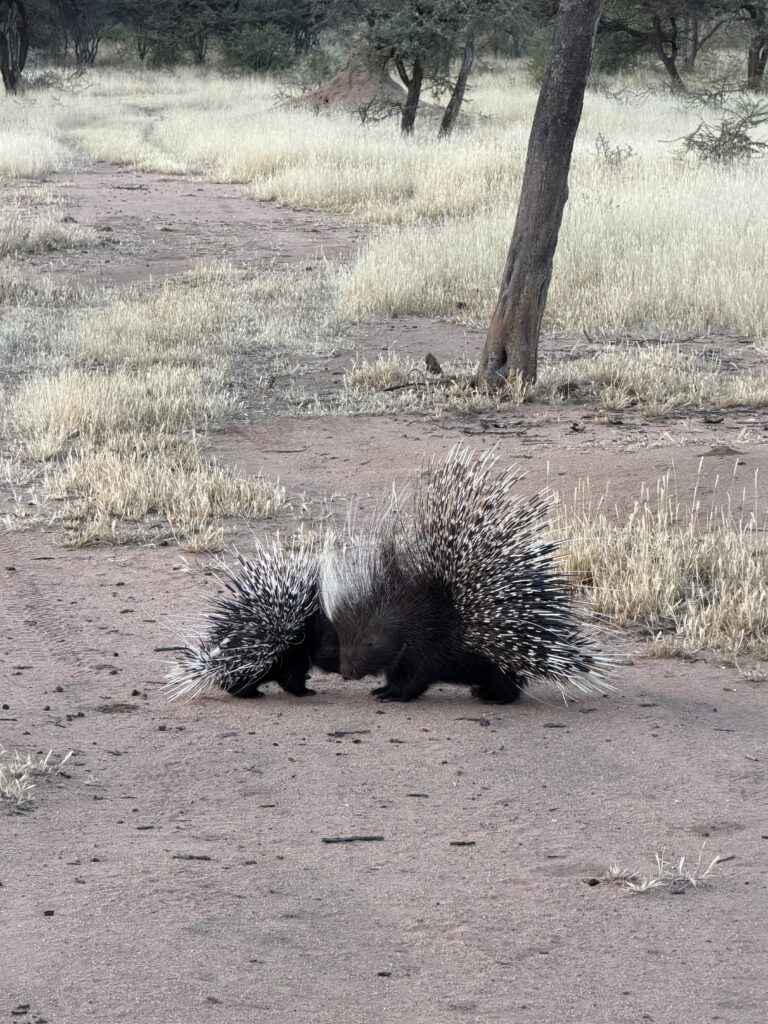
4. Rhino Tracking
Another activity available at Okonjima is rhino tracking. Similar to the leopard experiences, these excursions focus not only on spotting the animals themselves, but also on conservation and protection efforts within Namibia. Tracking rhinos on foot or with guides adds a much more immersive side to the experience compared to seeing wildlife only from the car.
Staying at Okonjima
One thing we liked about Okonjima is that there are multiple accommodation options depending on your travel style and budget. The reserve offers:
- campsites
- bush camps
- luxury lodges
- more premium safari-style rooms
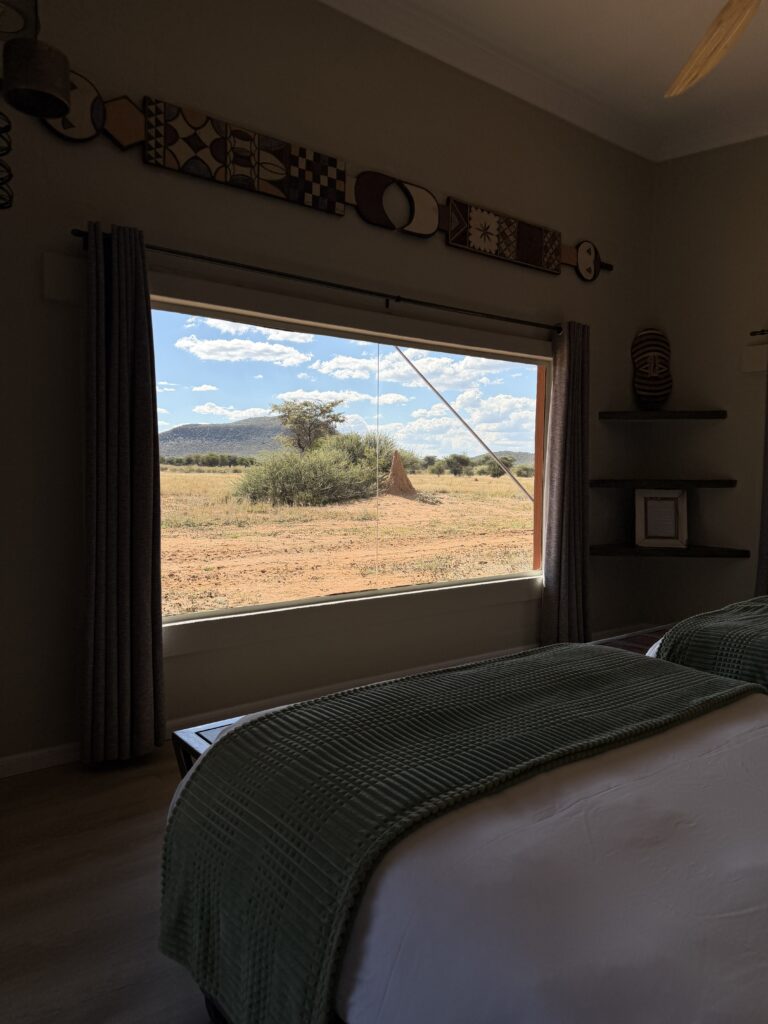
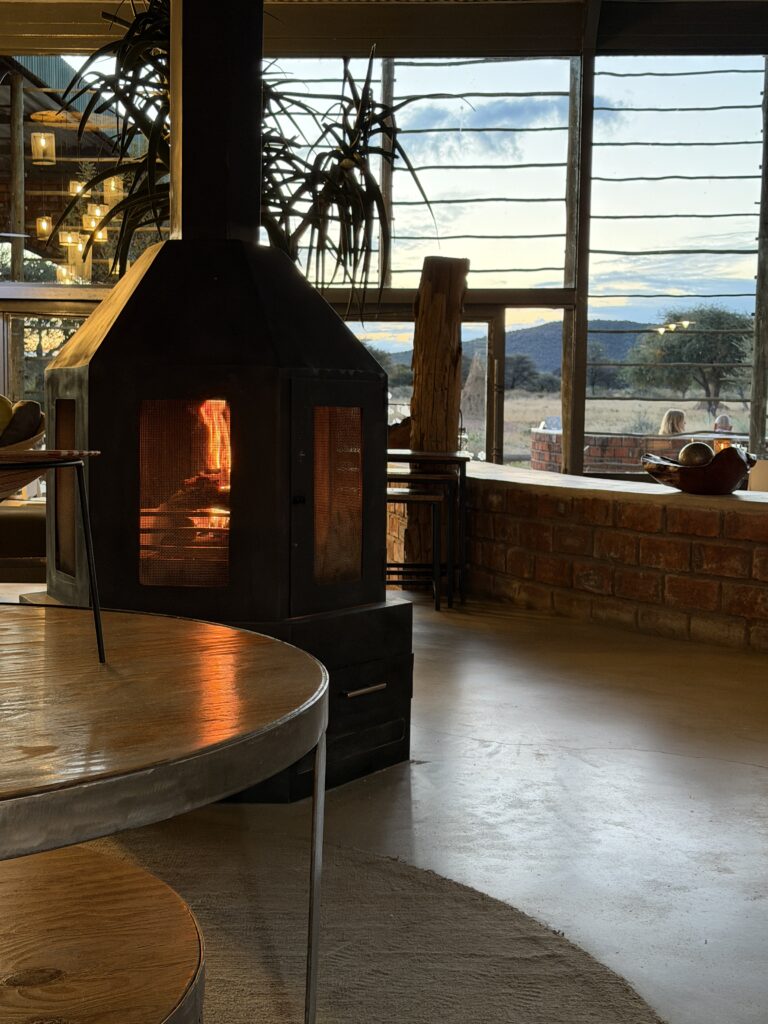
We originally booked a campsite, but unexpectedly got upgraded to a Classic Room during our stay. What we liked most is that Okonjima manages to balance comfort with the feeling that you’re still completely surrounded by the reserve itself. Even around the rooms and main areas, wildlife regularly moves through the landscape, which keeps the experience feeling immersive rather than resort-like.
You can book your stay directly through okonjima.com. One thing we found helpful is that activities are usually arranged during check-in rather than fully fixed beforehand. When you arrive, you can discuss which excursions you want to join and what availability still looks like. Sometimes activities, like shorter drives, can still be booked for the same afternoon. More popular experiences, especially leopard tracking and certain game drives, are often scheduled for the following morning instead.
Is Okonjima Worth Visiting?
Okonjima is definitely one of the more premium stops within a Namibia itinerary, so it’s worth considering within your overall budget planning. At the same time, the experience feels very different from a classic safari. Instead of spending the day independently searching for wildlife, Okonjima focuses much more on conservation, education, and guided tracking experiences. For us, that difference is exactly what made it worthwhile.
After several days of self-driving through Etosha, Okonjima added a completely different perspective on wildlife tourism in Namibia. It felt less focused on ticking animals off a list and more about understanding the animals, the conservation work behind them, and the challenges of protecting them. It’s also one of the very few places where you realistically have the chance to see a pangolin, which made the experience feel even more unique for us. Rather than replacing Etosha, Okonjima complemented it really well by showing another side of safari travel in Namibia.